
New ACE Procedure
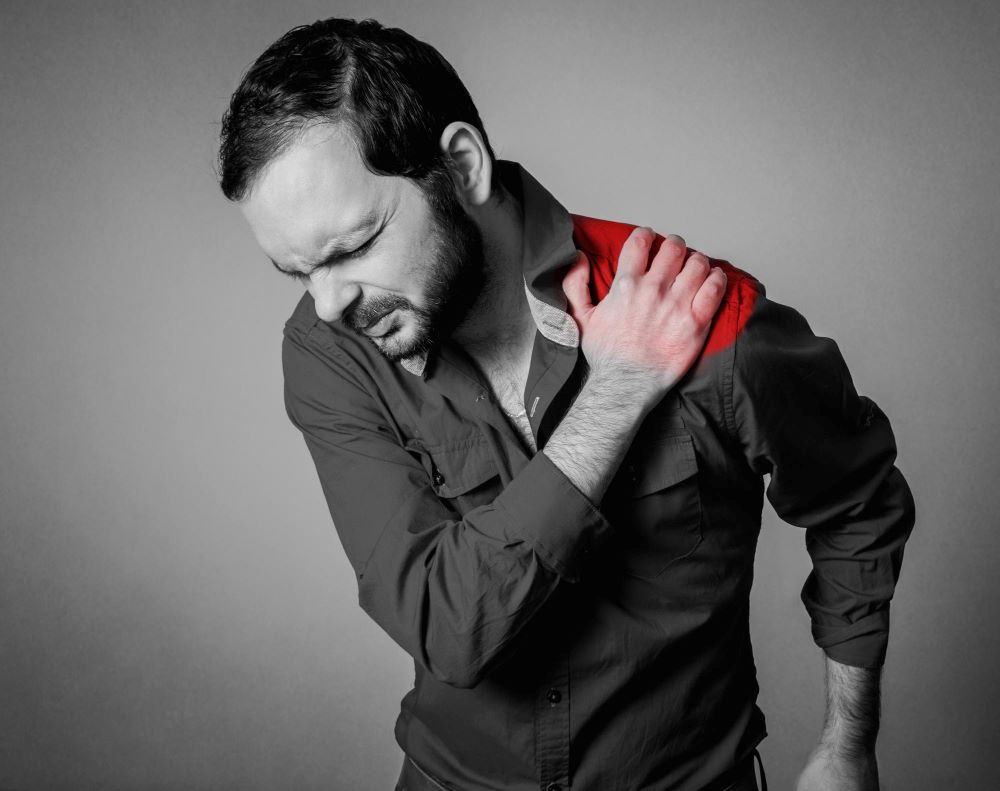
What is the ACE (Adhesive Capsulitis Embolization) Procedure?
The ACE Procedure is a groundbreaking, minimally invasive solution developed for patients with persistent frozen shoulder who haven’t improved with months of therapy or repeated injections.

Why ACE Is a Game Changer
- Root-cause therapy: ACE targets and blocks the abnormal blood vessels fueling ongoing capsular inflammation—directly stopping the cycle.
- No large incisions: Only a tiny skin puncture. No hospital stay. No stitches.
- Rapid recovery: Most patients notice pain relief and motion gains in days or weeks.
- Major risks are rare: Minor side effects include light bruising or temporary skin changes.
- Effective for tough cases: Especially for those not improving with other treatments or who prefer to avoid major surgery.
What to Expect During the ACE Procedure
Pre-Procedure
- Consultation with an interventional radiologist to confirm frozen shoulder diagnosis and eligibility.
- Imaging (MRI, ultrasound) reviewed and detailed explanation provided.
On the Day
- Arrive at the outpatient center; eat a light meal unless otherwise instructed.
- You’ll receive mild sedation and a local anesthetic—no general anesthesia is needed.
- A tiny catheter is placed in your wrist or groin artery.
- Using live X-ray guidance, the specialist steers the catheter to the abnormal blood vessels around your shoulder.
- Microscopic beads (embolic agents) are released to selectively block these vessels.
- The entire procedure lasts about 1 hour. Most patients are comfortable and alert throughout.
After the Procedure
- Brief (1–2 hours) monitoring—then return home the same day.
- Soreness or light bruising at site is possible.
- Resume nearly all normal activities within 24–48 hours.
- Physical therapy may help maximize recovery speed and movement gains.
- Most see clear improvements in pain and flexibility within one week; best results emerge over several months.
Clinical Outcomes
- U.S. and international studies show 80–90% of ACE patients achieve lasting pain relief and improved motion—often after a single treatment.
- No severe complications reported in published trials.
Comparison Table: ACE vs Traditional Treatments
| Feature | ACE Procedure | Physical Therapy | Steroid Injections | Surgery |
|---|---|---|---|---|
| Invasiveness | Minimally invasive | Non-invasive | Minimally invasive | Invasive |
| Recovery Time | 1–3 days | Months | N/A | Weeks–months |
| Relief Onset | Days–weeks | Weeks–months | Days–weeks | Weeks–months |
| Major Risks | Very rare, minor | Minimal | Joint damage (rare) | Nerve injury, infection |
| Lasting Results | Months–years | Often incomplete | Short term | Variable, sometimes incomplete |